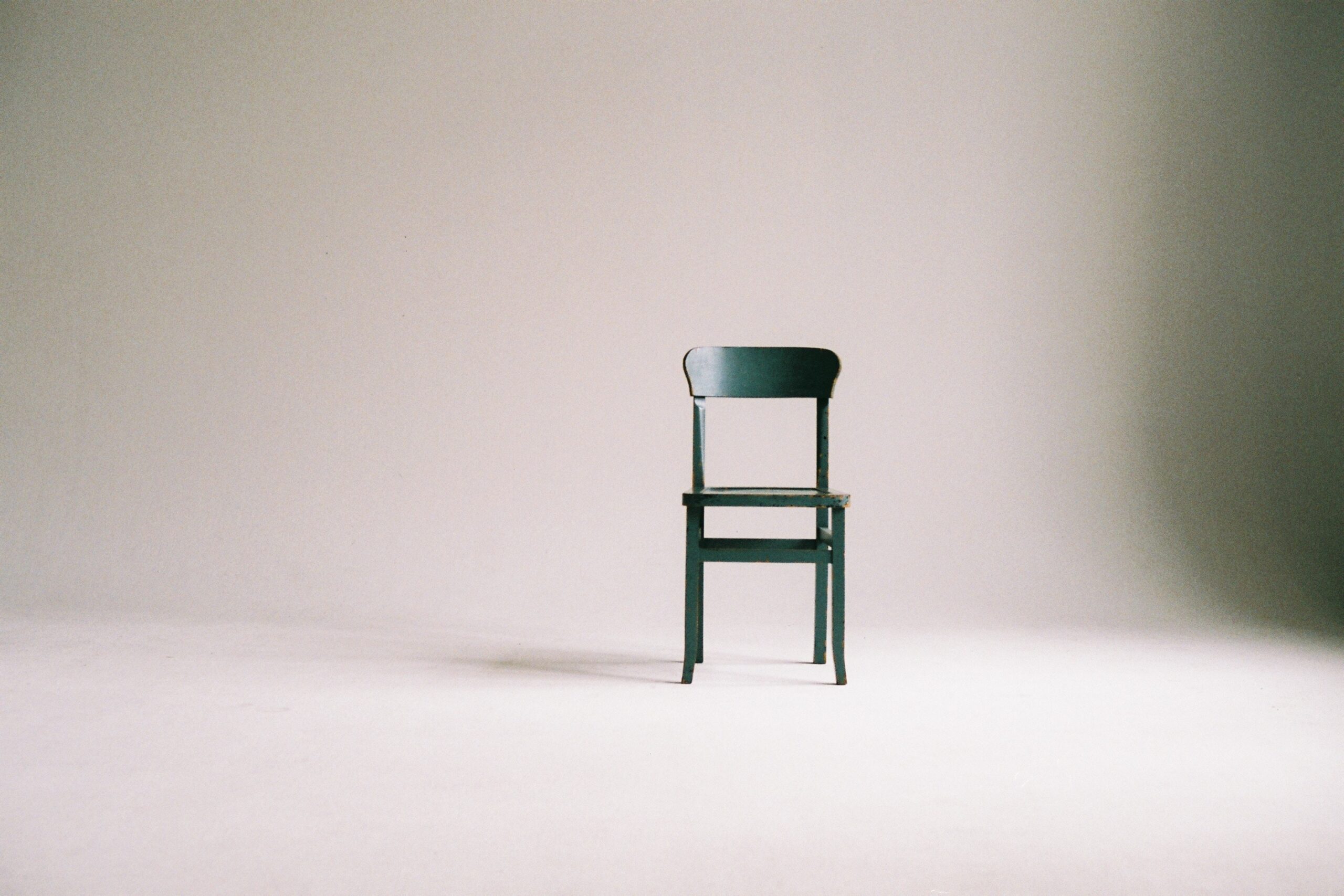
Minimalism is more than just a design aesthetic or a trendy lifestyle choice—it's a deliberate approach to living that focuses on what truly adds value to your life. By removing excess and simplifying your surroundings, you create space for experiences, relationships, and pursuits that genuinely matter. For beginners, the journey into minimalism can feel overwhelming, but it starts with small, intentional steps.
Why Choose Minimalism?
In our consumer-driven world, we're constantly encouraged to acquire more—more possessions, more commitments, more distractions. This accumulation often leads to stress, financial strain, and a sense of being overwhelmed. Minimalism offers an antidote by helping you:
- Reduce stress: Less clutter means less to clean, organize, and worry about.
- Save money: By buying only what you need, you'll spend less and save more.
- Gain clarity: A simplified environment allows for clearer thinking and better decision-making.
- Focus on what matters: With fewer distractions, you can invest time in relationships, hobbies, and personal growth.
Getting Started: First Steps
Beginning your minimalist journey doesn't require drastic changes overnight. Here are some practical first steps:
1. Define Your "Why"
Before decluttering, take time to understand why you want to embrace minimalism. Are you seeking more freedom, less stress, or simply a cleaner space? Your motivation will guide your decisions and keep you committed when the process gets challenging.
2. Start Small
Don't try to tackle your entire home at once. Begin with a single drawer, closet, or room. This manageable approach prevents overwhelm and builds momentum as you see progress.
3. Use the One-Year Rule
As you sort through your belongings, ask yourself: "Have I used this in the past year?" If the answer is no, and it doesn't hold significant sentimental value, consider letting it go.
4. Embrace Quality Over Quantity
Minimalism isn't about owning as little as possible—it's about owning the right things. Invest in quality items that serve multiple purposes and will last longer, rather than accumulating cheap, disposable products.
Decluttering Room by Room
The Bedroom
Your bedroom should be a peaceful sanctuary. Remove excess furniture, keep surfaces clear, and limit decorations to a few meaningful pieces. Simplify your wardrobe by keeping only clothes that fit well and make you feel confident.
The Kitchen
Kitchens tend to accumulate gadgets and duplicate items. Keep only the tools you regularly use, donate extra dishes and glassware, and clear countertops to create functional workspace.
The Living Room
Create a welcoming space by removing unnecessary furniture and knick-knacks. Keep entertainment options manageable and ensure the room serves its primary purpose: relaxation and connection with others.
Maintaining a Minimalist Lifestyle
Once you've decluttered, the real work begins: maintaining your simplified space. Here are strategies to prevent re-accumulation:
- Practice the one-in, one-out rule: When you bring something new into your home, remove something old.
- Be mindful of purchases: Before buying, ask if you truly need it or if it will add genuine value to your life.
- Regular reviews: Schedule quarterly decluttering sessions to reassess your belongings.
- Digital minimalism: Apply minimalist principles to your digital life by unsubscribing from unnecessary emails, organizing files, and limiting app usage.
Common Challenges and Solutions
Sentimental Items
It's natural to struggle with items that hold memories. Consider taking photos of sentimental objects before letting them go, or keep a small memory box for truly irreplaceable items.
Guilt Over Waste
Many people feel guilty about getting rid of barely-used items. Remember that keeping things you don't use doesn't honor them—donating allows someone else to benefit. For the future, let this feeling guide more mindful purchasing decisions.
Family Resistance
If you share your space with others, lead by example rather than imposing minimalism on them. Start with your own belongings and shared spaces, and others may naturally become interested as they see the benefits.
Beyond Physical Clutter
True minimalism extends beyond your possessions to every area of life:
- Time commitments: Learn to say no to obligations that don't align with your priorities.
- Relationships: Invest energy in meaningful connections rather than maintaining superficial ones.
- Information consumption: Be selective about media, news, and social media to protect your mental space.
- Goals and projects: Focus on a few important objectives rather than spreading yourself too thin.
Conclusion
Minimalism is a personal journey that looks different for everyone. There's no perfect formula or magic number of possessions to own. The goal is to create a life with less distraction and more intention, where your environment supports rather than hinders your wellbeing and goals.
Start where you are, take small steps, and be patient with yourself. As you reduce the excess in your life, you'll discover more room for joy, creativity, and the things that truly matter. The path to minimalism isn't about deprivation—it's about making space for abundance in the areas that count.