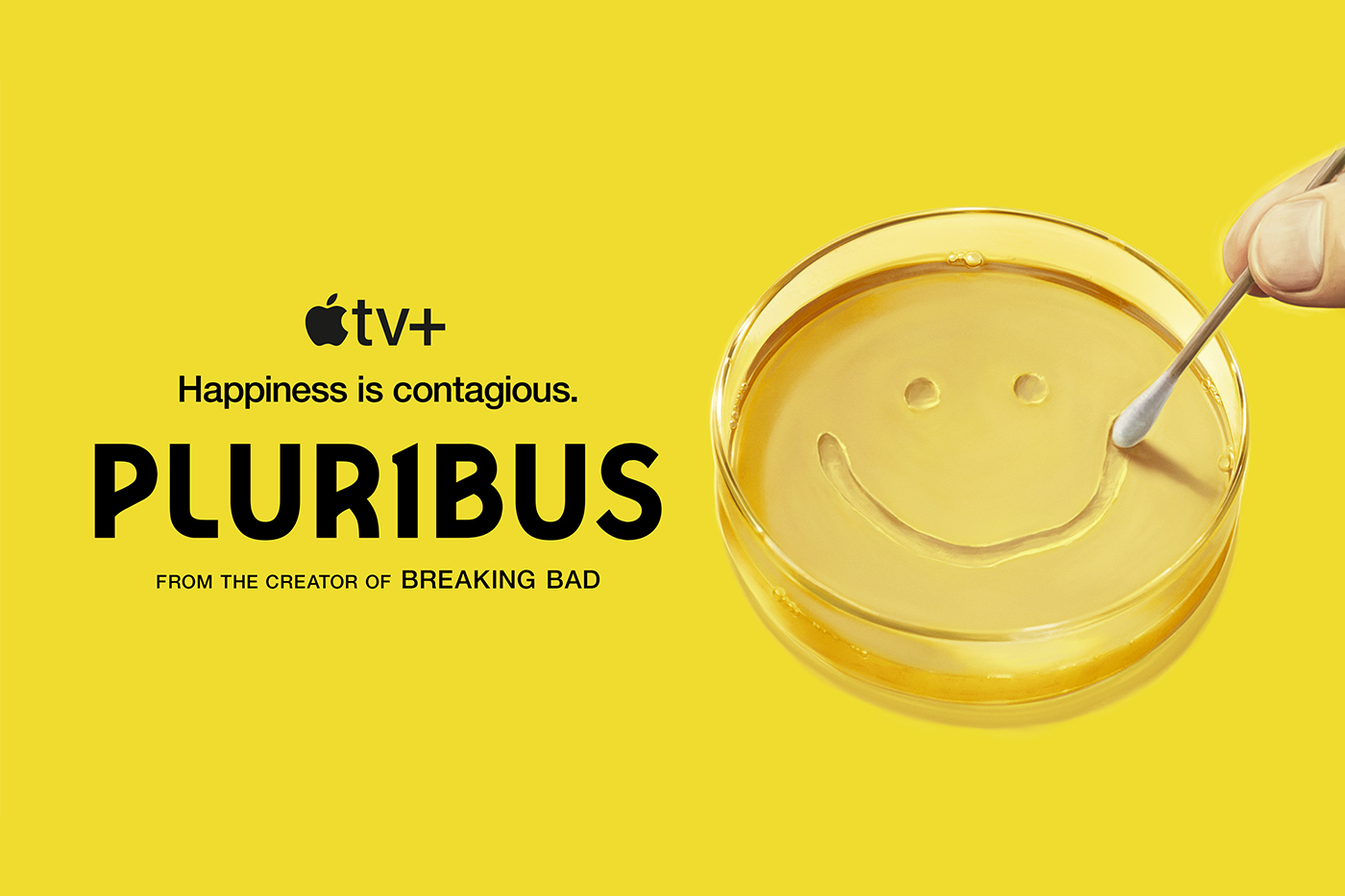
The first season of Pluribus presents a complex narrative that challenges our understanding of individuality, collective consciousness, and social structures. Through its intricate storytelling and symbolic elements, the show raises profound questions about what it means to be human in an age where technology and biology intersect.
Frequency as Messenger: Communication Beyond Words
One of the most intriguing aspects of Pluribus is its use of frequency as a form of communication. This concept suggests that the infected individuals communicate through channels that transcend traditional language, operating on a level that uninfected people cannot access or understand. This "frequency as messenger" becomes a central mechanism through which the hive mind coordinates and shares information.
Carol Sturka: The Isolated Protagonist
Carol Sturka, whose name is rendered as "Carol Es Turca" in the show's symbolic language, stands at the center of the narrative as a white American who finds herself increasingly isolated from both infected and uninfected populations. Her position in a State Patrol Police Car becomes a powerful metaphor for her authority and alienation.
Despite her apparent power and privilege, Carol patronizes both infected and uninfected people, creating distance rather than connection. Uninfected people actively avoid her, keeping their space and maintaining their distance. Even among the uninfected, Carol finds herself alone and unaccepted—a telling commentary on how power and prejudice can isolate even those who wield authority.
The Transhumanism Question
The show frames infected people as embodiments of transhumanism—individuals who have transcended traditional human limitations through their connection to the hive consciousness. This raises the crucial question: does this hive consciousness conceal something darker? Who are the hive's elites, and whose decision was it to introduce HDP into meals?
These questions become more urgent as the season progresses, particularly when we learn about Carol's stem cells and the revelation that others are "not innocent" regarding their use. The show suggests that even in a post-individual society, hierarchies and exploitation persist.
The Obsolescence of Traditional Power Structures
Pluribus makes bold statements about the end of conventional governance. Air Force One becomes obsolete because there's no need for a president—the presidency itself is obsolete. When the White American Mayor of Albuquerque appears at Carol's house merely to fix and clean, the message is clear: politicians are obsolete, and governments are obsolete.
This theme extends to property and privacy. Private property no longer exists, and everybody sleeps together—a communal arrangement that speaks to the complete dissolution of individualistic society.
Cultural Symbolism and the "Turca" Thread
The show employs rich cultural symbolism, particularly through its use of "Turca" music at the closing of two episodes. The character of the 68-year-old "Turca" person, Tolga Colak, who doesn't speak English and feels offended at being excluded from Carol's meeting in Spain, represents those left behind in this new world order.
Carol's selective invitation to English-speaking people only for the Spain meeting raises questions about linguistic and cultural privilege. Is this a reference to UK Commonwealth Countries and the perpetuation of colonial power structures even in a supposedly post-governmental world? However, all uninfected people refuse to include Carol in their periodic Zoom meetings. This could signal the end of UK Commonwealth privilege and the dismantling of colonial power structures.
Interestingly, "CAROL" becomes a search query name used to locate fallen planes worldwide—suggesting her connection to catastrophic events and her centrality to the show's mysteries.
Episode 7: The Weight of Isolation
Episode 7 stands out as a meditation on isolation itself. It's deliberately paced to convey the boredom and monotony of being cut off from others—making it, as noted, the most boring episode so far. But this boredom serves a purpose: it forces viewers to experience isolation rather than simply observe it.
Symbolic Moments and Mysteries
Throughout the season, Pluribus peppers its narrative with symbolic moments that reward close attention:
- The switch to a Rolls Royce coinciding with a marriage
- "Georgia on My Mind" playing at an art museum
- The mysterious origin point of Kepler 22b
- Carol's time spent with others, leading to her realization about their knowledge of her stem cells
- Carol's eventual decision to work with "guy from Paraguay"
Each of these moments contributes to a larger tapestry of meaning, inviting interpretation and re-watching.
Conclusion: What Does Pluribus Reveal About Us?
Pluribus Season 1 is ultimately about the tensions between individual agency and collective consciousness, between isolation and connection, between old power structures and new forms of organization. It asks whether we can truly transcend our human limitations without sacrificing something essential about our humanity.
The show refuses to provide easy answers. Instead, it presents a world where the infected and uninfected eye each other warily, where authority figures have lost their meaning but new hierarchies emerge, and where the promise of collective consciousness may conceal darker manipulations.
As we await future seasons, these questions linger: Can humanity evolve beyond individualism without losing what makes us human? Who really controls the hive? And what role will Carol Sturka play in determining the answer to these questions?
Pluribus challenges us to think deeply about these issues, making it one of the most thought-provoking shows in recent memory.